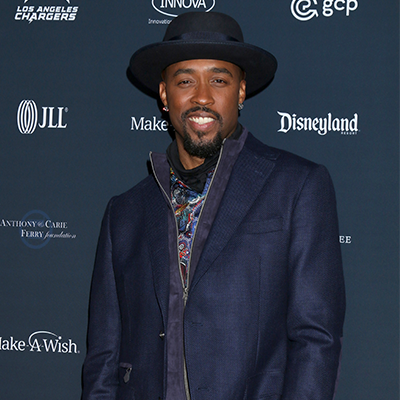

Why Boosie’s Legal Issues Still Matter
Boosie Badazz, still known to many fans as Lil Boosie, has one of the most talked‑about legal histories in Southern rap. His story blends raw street reality, courtroom drama, and a relentless drive to keep creating music through chaos.
For hip‑hop fans all around the world, Boosie’s legal issues are bigger than headlines; they are a case study in how the system, social media, and a rapper’s own choices collide in real time. We’re about to break down how this impacts his career, and what they signal for his future moves.

In July 2024, a federal judge in California dismissed Boosie’s federal gun charge, citing evolving Second Amendment precedent about whether nonviolent felons can face certain firearm possession prosecutions. That ruling gave him a brief win and sparked conversations in legal and music circles about what it meant for similar cases.
However, less than two weeks later, the U.S. Attorney’s office filed a new indictment; including unlawful firearm possession tied to interstate commerce and possession while using controlled substances. Now exposing him to a potential 10‑year maximum on one charge. Even with the earlier dismissal, his legal issues remained very real, and the case continued to hang over plans, deals, and even his freedom.

For fans near and far, that authenticity keeps him relevant even when he is not at the top of the mainstream charts. Boosie’s legal issues turn into content, commentary, and conversation, fueling interviews, podcasts, and social clips that keep his name active.
At the same time, his resilience keeps the door open for redemption arcs, documentaries, and new projects that frame him as a survivor of both the streets and the system. If he can finally step out of the cycle of charges and focus on strategy, his legal issues could become the backdrop for one of the most compelling second acts in Southern rap.