

Big Companies Are Investing in Lab-Grown Chocolate: What It Means for Consumers
Chocolate lovers, we need to talk.
For generations, chocolate has been one of the world’s most beloved treats. From candy bars and cookies to gourmet desserts, the global chocolate industry generates billions of dollars every year. But behind the sweetness lies a growing problem that has major companies searching for new solutions.
Enter lab-grown chocolate.
What once sounded like science fiction is quickly becoming reality. Some of the biggest names in the food industry are investing millions into cultivated cocoa technology. Their goal is simple: create chocolate without relying entirely on traditional cocoa farms.
So what exactly is lab-grown chocolate? Why are major corporations betting on it? And could it eventually replace the chocolate we know today?
Let’s break it down.
The Chocolate Industry Is Facing a Crisis
The global cocoa market has experienced significant turbulence over the past few years.
Climate change, extreme weather conditions, crop diseases, and supply chain disruptions have all affected cocoa production in major growing regions such as Ghana and Ivory Coast. Together, these countries produce a large percentage of the world’s cocoa supply. As harvests declined, cocoa prices surged to record levels.
Chocolate manufacturers suddenly found themselves facing rising production costs and uncertainty about future supplies.
As a result, many companies began exploring alternative ingredients and new technologies that could help stabilize production while reducing dependence on vulnerable farming regions.
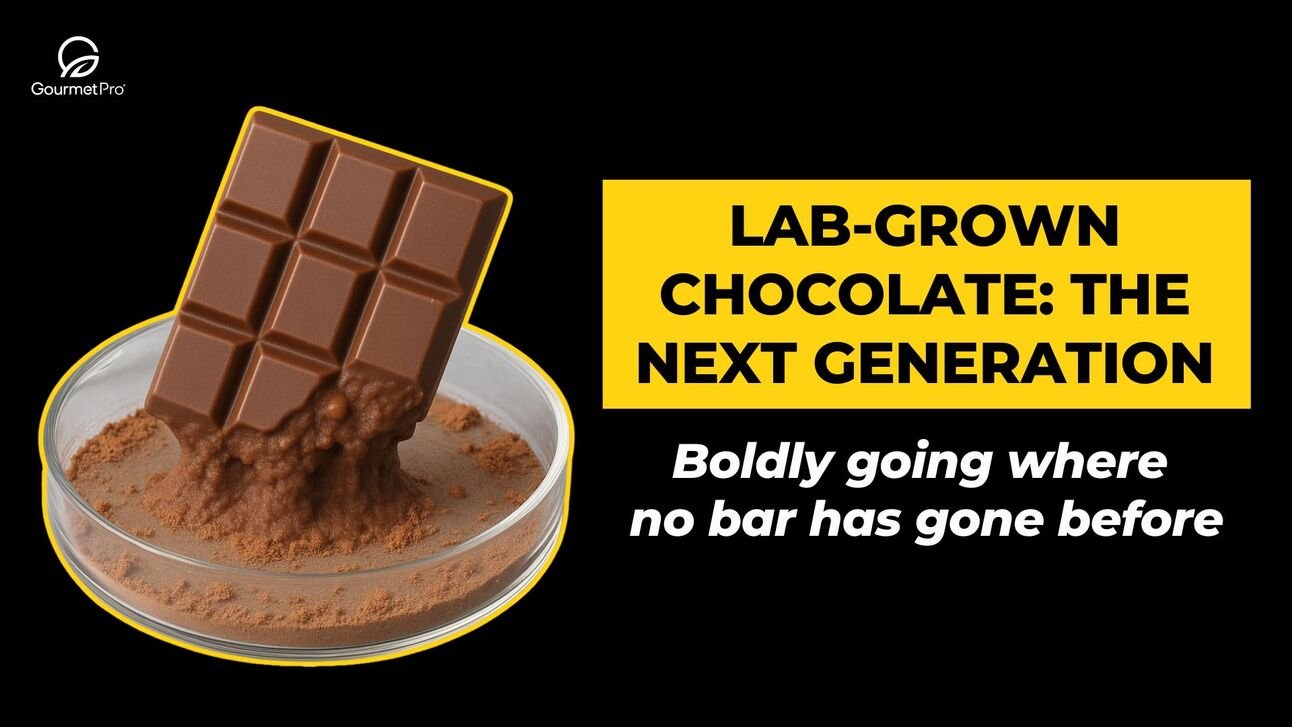
What Is Lab-Grown Chocolate?
Lab-grown chocolate, also called cultivated cocoa or cell-based cocoa, starts with real cocoa cells.
Scientists take cells from a cacao plant and grow them in controlled environments such as bioreactors. These cells then develop into cocoa ingredients that can be used to create chocolate products. The process aims to produce cocoa without the need for large-scale farming.
Supporters say the technology could reduce environmental pressures while providing a more stable supply of cocoa for manufacturers.
The biggest selling point?
It is still real cocoa.
Unlike some chocolate alternatives made from oats, sunflower seeds, or other ingredients, cultivated cocoa comes directly from cacao plant cells.
Will Lab-Grown Chocolate Taste the Same?
This is the question every chocolate lover wants answered.
According to developers working on cultivated cocoa products, the goal is to replicate the same taste, texture, aroma, and mouthfeel found in traditional chocolate. Early testing suggests that cell-cultured cocoa butter performs similarly to conventional cocoa butter in chocolate manufacturing.
However, large-scale consumer testing remains limited.
The real challenge may not be taste.
It may be perception.
Many consumers still feel hesitant about foods produced using biotechnology. Companies will likely need strong education campaigns to explain how cultivated cocoa works and why it differs from artificial substitutes.

Could Lab-Grown Chocolate Become the New Normal?
Right now, traditional chocolate remains dominant.
In fact, recent declines in cocoa prices have encouraged some manufacturers to return to products with higher cocoa content after experimenting with alternatives.
Still, the investment activity tells a larger story.
Major corporations rarely spend millions of dollars on technology they do not believe has long-term potential.
Lab-grown chocolate may not replace conventional chocolate overnight. However, it appears increasingly likely that cultivated cocoa will become part of the industry’s future, especially as companies look for ways to protect themselves from climate disruptions and supply shortages.
Final Thoughts From DJ Ms. Hypnotique
The chocolate industry is entering a fascinating new chapter.
For decades, chocolate production followed the same formula. Grow cocoa. Harvest it. Process it. Sell it.
Now technology is changing that equation.
Big companies are investing heavily in lab-grown chocolate because they see a future where innovation and sustainability work together. Whether consumers fully embrace cultivated cocoa remains to be seen, but one thing is clear: this conversation is only getting started.
As the technology advances and products move closer to store shelves, the real question won’t be whether lab-grown chocolate exists.
The real question will be whether consumers are ready to take that first bite.