

Ozempic Bone Loss Warning: What Experts Want Users to Know
Baby, the Ozempic conversation just took another serious turn.
For months, social media timelines, celebrity interviews, podcasts, and everyday conversations have been flooded with stories about dramatic weight loss linked to Ozempic and similar GLP-1 medications. Folks have praised the results, flexed before-and-after photos, and treated these injections like the hottest VIP pass in the wellness world.
But now? Medical experts are warning users about a possible side effect that has many people paying closer attention — bone loss.
And whew… this conversation is getting louder by the day.
Here at the DJ Ms. Hypnotique desk, we’re breaking down what doctors are saying, why rapid weight loss may affect bone health, and what Ozempic users should know before hopping on the trend train without doing their homework first.
Why Ozempic Became So Popular
Let’s be real — Ozempic became a household name almost overnight.
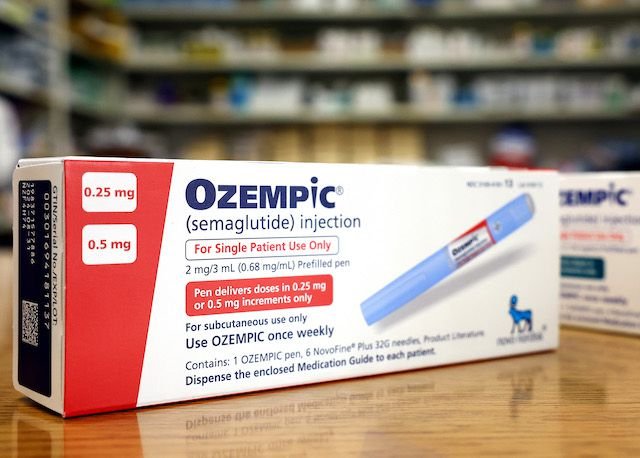
Originally designed to help people manage Type 2 diabetes, the medication exploded in popularity after users began experiencing major weight loss. Soon after, celebrities, influencers, and everyday social media users started talking openly about GLP-1 drugs like Ozempic and Wegovy.
The results caught everybody’s attention.
People reported reduced appetite, smaller portions, and dramatic changes in body weight within months. That kind of transformation naturally created buzz across entertainment culture, TikTok, Instagram, YouTube, and even hip-hop discussions online.
Before long, these medications became one of the biggest health and beauty trends in the country.
But while many users focused on shrinking waistlines, medical professionals started looking deeper into what rapid weight loss might be doing inside the body.

Experts Raise Concerns About Bone Loss
Now experts are warning that significant weight loss tied to GLP-1 medications could potentially impact bone density.
According to several health researchers and physicians interviewed by major news outlets, rapid weight reduction may lead to decreased bone strength over time in some patients. While researchers continue studying the long-term effects, doctors say the issue deserves attention — especially for people using the medication for extended periods.
Here’s the concern.
Bones rely on nutrients, muscle support, movement, and overall body balance to remain strong. When someone loses weight quickly, the body sometimes loses more than fat. Muscle mass and bone density can also decline if proper nutrition and resistance training are not maintained.
Some researchers believe the medications themselves may not directly damage bones. Instead, the rapid body changes associated with extreme weight loss could contribute to the problem.
Either way, health professionals say users should not ignore the possibility.
And honestly? That’s where the conversation shifts from trendy to serious.
How Rapid Weight Loss Affects the Body
Rapid weight loss can place stress on the body in ways many people don’t immediately notice.
When the body drops weight quickly, it may struggle to hold onto lean muscle mass. Less muscle can mean less support for bones and joints. At the same time, lower calorie intake may reduce important nutrients like calcium, vitamin D, and protein — all essential for maintaining bone health.
Experts say this becomes even more important for:
- Older adults
- Women approaching menopause
- People with osteoporosis risks
- Individuals with poor nutrition habits
- Patients avoiding exercise while using weight loss medications
Doctors continue reminding patients that healthy weight loss should involve more than simply eating less.
Strength training, balanced meals, hydration, and regular medical monitoring all play important roles in protecting long-term health.
And let’s keep it a buck — social media rarely talks about that part.
People see the dramatic transformations, but they don’t always hear about the behind-the-scenes health maintenance required to keep the body strong during major weight changes.
What Ozempic Users Can Do to Protect Their Health
Experts are not telling everyone to panic.
Instead, many doctors encourage Ozempic users to approach treatment responsibly and stay informed throughout the process.
Health professionals recommend:
- Scheduling regular medical checkups
- Monitoring bone density if needed
- Eating balanced meals rich in nutrients
- Taking in enough calcium and vitamin D
- Adding strength and resistance exercises
- Avoiding unhealthy crash dieting habits
The goal is to support overall wellness — not just fast weight loss.
Because at the end of the day, looking good means very little if your long-term health starts suffering behind the scenes.
Final Thoughts
Ozempic and other GLP-1 medications continue reshaping conversations around weight loss, wellness, and celebrity culture. But as more studies emerge, experts say users must stay aware of possible risks tied to rapid body changes — including concerns about bone loss and muscle decline.
The conversation is still evolving, and researchers continue studying the long-term effects.
For now, doctors say balance, proper nutrition, exercise, and medical supervision remain key for anyone using these medications.
One thing is for sure — this Ozempic debate is far from over.
And trust me… DJ Ms. Hypnotique will be keeping both ears to the streets as this story continues developing.