

Capital One Faces CFPB Lawsuit Over $2 Billion Savings Account Controversy
When it comes to money, trust is everything. And right now, one of the biggest names in banking is sitting in the middle of a legal storm that has customers paying close attention.
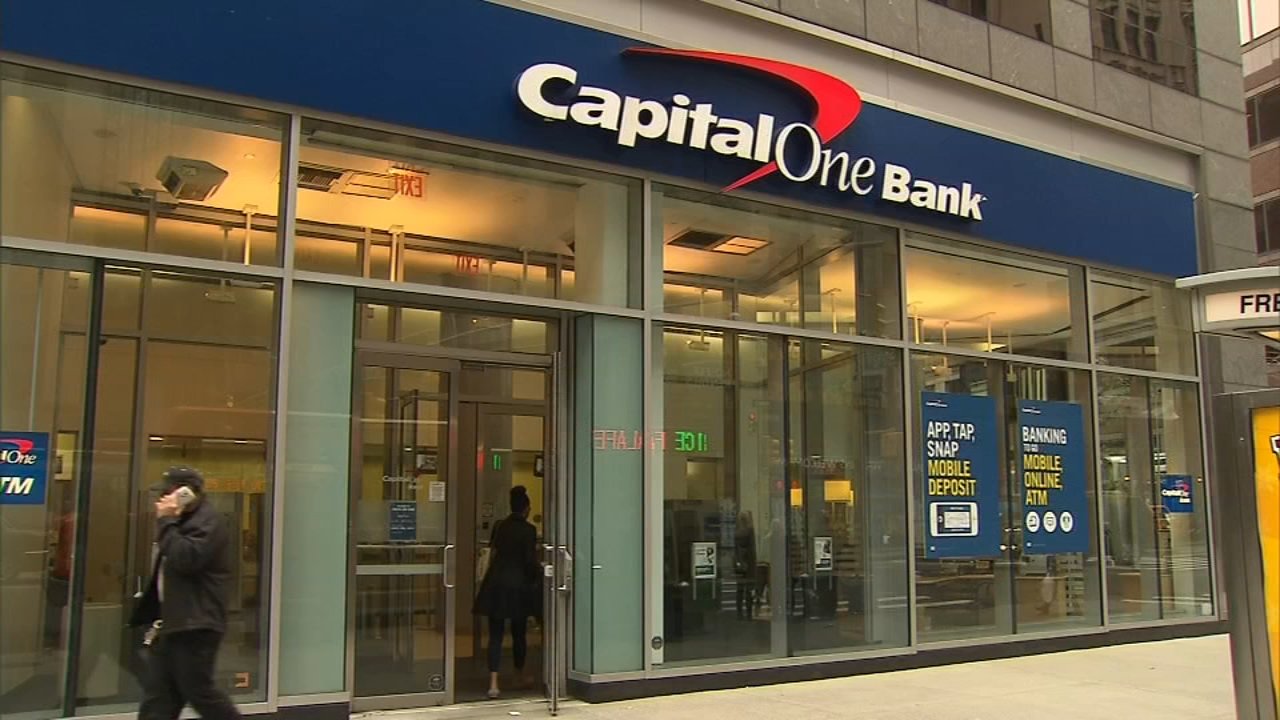
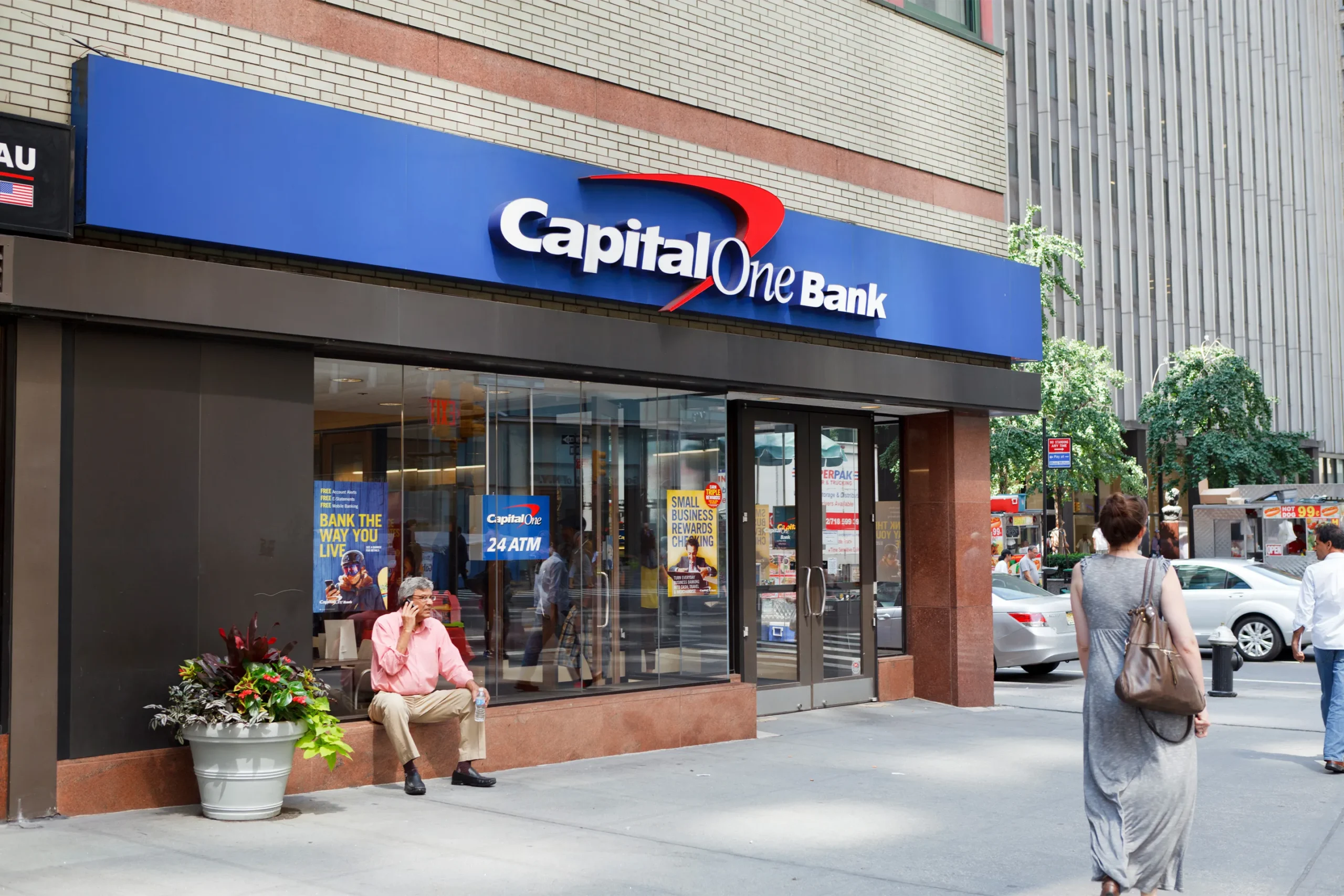
Financial giant Capital One found itself under fire after the Consumer Financial Protection Bureau accused the company of misleading millions of savings account holders. According to the lawsuit, Capital One allegedly avoided paying customers more than $2 billion in interest by quietly steering people away from higher-paying savings accounts.
Now listen… this situation is bigger than banking headlines. It’s raising serious questions about transparency, customer loyalty, and whether major financial institutions truly put consumers first.
And trust me — people online are definitely talking.
What Is the CFPB Accusing Capital One Of?
The CFPB filed its lawsuit against Capital One in January 2025. The agency claimed the bank marketed its longtime “360 Savings” accounts as offering some of the best interest rates available, while quietly introducing a newer product called “360 Performance Savings” with much higher rates.
According to regulators, the original 360 Savings accounts remained stuck at a low 0.30% interest rate while the newer Performance Savings accounts climbed as high as 4.35% during rising federal interest rates.
The issue? Many customers reportedly never realized the newer account even existed.
The CFPB alleged that Capital One intentionally failed to notify existing customers that they could move their money into the higher-yield option. Regulators argued that millions of people missed out on significant earnings while the bank avoided paying billions in additional interest.
That’s where the controversy exploded.
Why Customers Feel Misled
A lot of consumers believed they already had Capital One’s best savings account product. After all, the company heavily promoted its 360 Savings accounts for years as a competitive option.
But according to the lawsuit, Capital One created two nearly identical savings products with dramatically different returns. Existing customers allegedly stayed parked in low-rate accounts while new customers gained access to better rates through the newer “Performance” version.
That difference may not sound huge at first glance, but over several years — especially during aggressive Federal Reserve rate hikes — customers potentially lost thousands of dollars in interest growth.
And in today’s economy, every dollar counts.
Social media users immediately reacted with frustration once news of the lawsuit started circulating. Many questioned how banks can advertise “high-yield savings” while longtime customers quietly receive lower returns.
The conversation quickly turned from banking to trust.
Capital One Responds to the Lawsuit
Capital One denied wrongdoing and pushed back against the CFPB’s claims. The company argued that it clearly disclosed account terms and interest rates to customers.
The bank also criticized the timing of the lawsuit, which arrived shortly before changes in federal leadership and regulatory oversight.
Still, the headlines created major attention across the financial world because Capital One is one of the largest consumer banks in America. Any allegation involving billions of dollars and millions of customers was bound to shake things up.
Especially when consumers already feel cautious about inflation, rising debt, and the cost of living.
The Bigger Conversation Around Banking Transparency
This story also feeds into a much larger conversation happening across the financial industry.
Consumers want transparency.
They want simple explanations, honest communication, and equal access to competitive financial products. When people feel companies are prioritizing profits over customers, backlash comes quickly — especially online.
And let’s be real… social media has changed everything.
One viral headline can spark nationwide conversations overnight. Financial institutions are no longer just answering to regulators. They are answering to public opinion too.
For Capital One, this controversy became more than just a lawsuit. It became a reputation battle.
Final Thoughts
The Capital One and CFPB situation proves that consumers are paying closer attention to where their money sits and how banks handle customer trust.
Even though the federal lawsuit was dismissed, the headlines opened major conversations about fairness, transparency, and how financial companies communicate with everyday people.
And honestly? This story may continue evolving as settlements, state investigations, and customer reactions move forward.
One thing is certain — the banking industry knows consumers are watching now.
And when billions of dollars enter the conversation, people are going to ask questions.
Stay locked in because this story still has layers to unpack.