

Lab-Grown Meat Gets FDA Approval as Tyson Foods Invests: What Consumers Need to Know
The future of food may have officially arrived—and it’s already creating one of the biggest conversations of the year.
Imagine ordering a chicken sandwich that’s real chicken but never came from a farm in the traditional sense. Sounds like science fiction, right? Not anymore.
Lab-grown meat, also called cultivated meat or cell-cultured meat, has received FDA safety clearance in the United States, opening the door for a new era of food production. Even more interesting? Industry giant Tyson Foods has invested millions into companies helping develop the technology.
Some consumers see innovation.
Others see uncertainty.
Either way, this isn’t a conversation anyone can ignore.
Let’s break down exactly what’s happening—and why it matters.
What Is Lab-Grown Meat?
Despite the name, lab-grown meat isn’t fake meat.
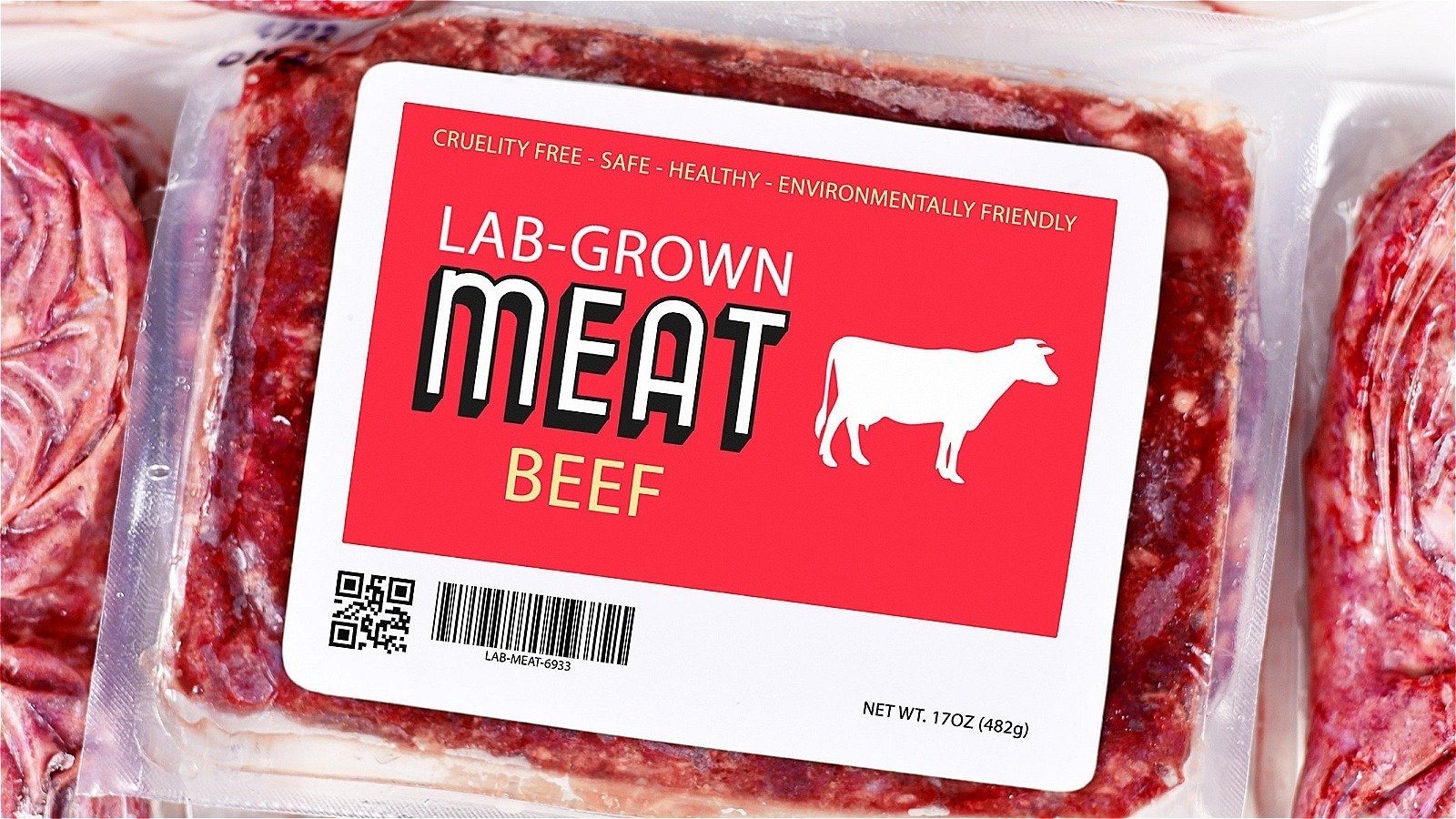
Unlike plant-based burgers made from soy or peas, cultivated meat begins with real animal cells. Scientists collect a small sample of cells from a living animal and place them inside controlled bioreactors where the cells grow into muscle tissue. Eventually, those cells become meat that is biologically similar to conventionally produced meat.
Think of it this way:
Instead of raising an entire chicken to harvest meat, only the cells needed to produce the meat are grown.
Supporters say the process could reduce:
- Animal slaughter
- Land usage
- Water consumption
- Greenhouse gas emissions
Critics argue that long-term production costs, consumer acceptance, labeling, and nutritional differences still require further study.
Tyson Foods Is Betting on the Future
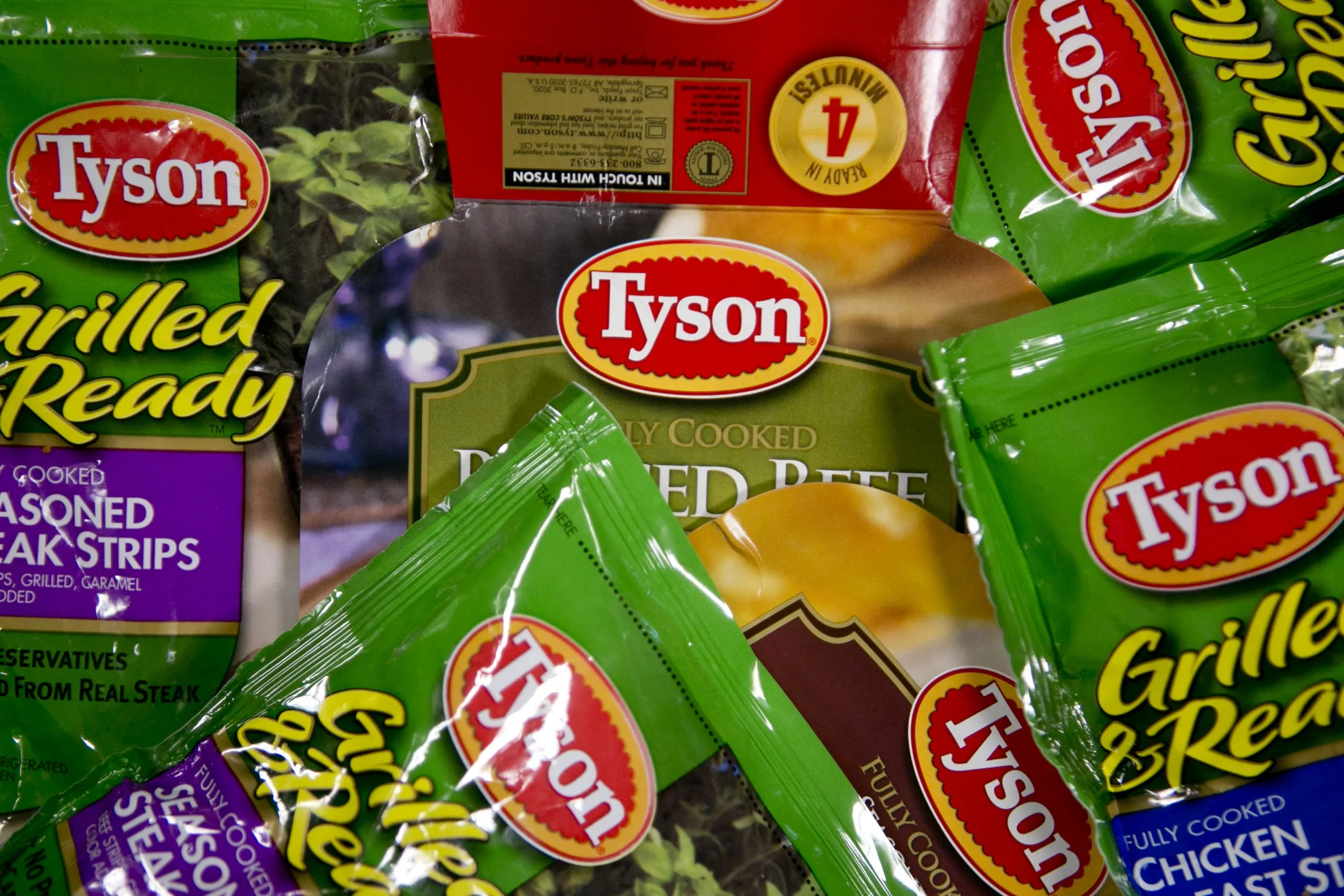
One reason this story continues making headlines is the involvement of Tyson Foods, one of America’s largest meat producers.
For years, Tyson has invested through Tyson Ventures in cultivated meat companies, including the startup formerly known as Memphis Meats, now called UPSIDE Foods. The investment signals that traditional meat companies are preparing for a future where multiple forms of protein may coexist.
That’s a major shift.
Rather than resisting emerging food technology, some of the biggest names in agriculture are investing in it.
For many industry analysts, that’s a sign cultivated meat may become a lasting part of the food business instead of simply a passing trend.
The FDA Approved Lab-Grown Meat?
Yes—but there is an important distinction.
The FDA has completed safety consultations for several cultivated meat products, determining they are as safe as comparable conventional foods. In 2023, cultivated chicken from companies including UPSIDE Foods and GOOD Meat also received the necessary USDA approvals for production and sale in the United States. Seafood products, such as cultivated salmon, fall under FDA oversight alone.
That doesn’t mean every lab-grown meat product automatically reaches grocery store shelves.
Each product must still meet regulatory requirements, labeling standards, and production inspections before being widely sold.
What This Means for Everyday Consumers
Whether you’re excited or skeptical, one thing is clear:
The food industry is changing.
Technology continues transforming everything from transportation to healthcare—and now it’s reshaping agriculture.
Consumers will likely see more conversations about:
- Cultivated meat
- Alternative proteins
- Food labeling
- Sustainability
- Biotechnology
Understanding these developments allows shoppers to make informed decisions rather than relying solely on headlines or social media debates.
Final Thoughts
Here at DJ Ms. Hypnotique, we don’t just report headlines—we ask the questions people are already thinking.
Lab-grown meat is no longer a futuristic experiment. It’s becoming part of today’s food conversation.
With FDA safety clearances in place for certain products and Tyson Foods investing in the industry’s growth, cultivated meat has moved beyond the concept stage and into commercial reality.
Will consumers embrace it?
Will it become another grocery store staple?
Or will traditional farming continue to dominate?
Only time—and the marketplace—will tell.
One thing is certain:
The future of food is already on the table.